Home is Where You Park: Graphics & Illustrations
In the fast-paced world of digital publishing, the difference between a scroll-past and a click often comes down to a single visual element. As someone who has spent years designing blog layouts and managing content strategies for various niches, I know that finding the right graphic design asset can be a game-changer. Recently, I had the opportunity to review "Home is Where You Park," a charming piece of creative design that immediately caught my eye for its potential in lifestyle and travel content. This isn't just a cute image; it is a versatile tool for anyone looking to elevate their editorial design and strengthen their brand identity.
First Impressions and Editorial Mood
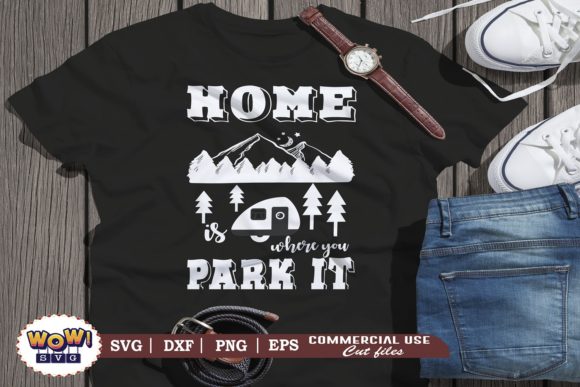
When I first opened the files for Home is Where You Park, the immediate feeling was one of warmth and wanderlust. The design strikes a perfect balance between playful and sentimental, making it an ideal fit for the van life community, RV enthusiasts, and anyone documenting a journey of minimalism or adventure. In terms of visual hierarchy, the typography and iconography work together to create a focal point that draws the reader in without overwhelming the surrounding text.
For bloggers and publishers, the mood of an asset dictates where it can be used effectively. This particular illustration feels inherently lifestyle-focused and modern. It carries a sense of freedom that resonates deeply with audiences interested in outdoor living, road trips, and alternative housing. Whether you are running an affiliate marketing site focused on camping gear or a personal blog about your cross-country move, this asset supports content that needs to look polished yet approachable. It avoids the sterile look of corporate stock photos, offering instead a handcrafted feel that builds reader trust.
Integrating Assets into Your Publishing Workflow
The true test of any digital download is how well it integrates into a real-world workflow. The listing for this product includes a comprehensive ZIP folder containing SVG, PNG, EPS, and DXF files. For a web designer or content creator, this variety is crucial. Here is how I envision using these files in a typical publishing cycle:
- Blog Featured Images: The high-resolution PNG is perfect for creating eye-catching headers that sit above article titles, instantly communicating the theme of the post.
- Pinterest Graphics: With the vertical nature of Pinterest, the SVG file allows for infinite scaling. You can place the graphic on a branded background, add a compelling headline, and create a pin that drives traffic.
- Newsletter Banners: Email marketing relies heavily on visuals to break up text. This illustration serves as an excellent header for weekly updates, especially for travel newsletters.
- Digital Guides and eBooks: If you are creating a lead magnet about "Starting Van Life" or "Road Trip Essentials," this graphic works beautifully on cover pages and chapter dividers.
- Social Media Posts: The clean lines of the design translate well to Instagram stories and Facebook posts, helping to maintain a consistent aesthetic across platforms.
By having access to vector formats like SVG and EPS, you ensure that the image remains crisp regardless of where it is displayed. This is vital for maintaining a professional appearance on high-DPI screens and retina displays.
Boosting Content Performance and Click-Through Rates
Why does a specific graphic matter for performance? In content marketing, consistency breeds recognition. When readers see a distinct style repeated across your website header, social media profiles, and downloadable resources, they begin to associate that visual language with your brand. Home is Where You Park offers a unique visual hook that can improve category recognition.
Furthermore, a strong visual creates a better first impression. In a sea of generic content, a custom-looking illustration signals effort and quality. This can lead to higher click-through rates on search results and social feeds. When a user sees a cohesive and attractive blog graphic, they are more likely to perceive the accompanying article as authoritative and valuable. This psychological boost is essential for affiliate marketers trying to convert readers into buyers through trusted recommendations.
Ideal Use Cases and Strategic Placement
This asset shines brightest in specific contexts. It is perfectly suited for hero images on landing pages dedicated to travel gear or lifestyle coaching. It works exceptionally well as an accent in editorial layouts where whitespace is used effectively to let the design breathe. For those creating Canva templates for sale or for internal use, this graphic adds a layer of custom flair that pre-made elements often lack.
It is also a strong candidate for printable design projects. Because the files include cut formats like DXF, crafters and small business owners can use this for physical products like stickers, t-shirts, or mugs, expanding revenue streams beyond digital content. For online educators teaching design or blogging, this serves as a great example of how to utilize multi-format assets.
Considerations for Careful Implementation
While versatile, no design asset is universal. There are scenarios where Home is Where You Park should be used with caution. If your niche is strictly corporate finance, legal advice, or heavy industrial tech, the playful and whimsical nature of this illustration might clash with the serious tone required. Additionally, on very busy layouts with complex backgrounds, the details of the graphic could get lost. It is best paired with clean, solid colors or subtle textures.
Mobile optimization is another key factor. When scaling this down for small mobile thumbnails, ensure that the text within the design remains legible. If the phrase becomes unreadable at 150 pixels wide, it may be better to use the icon element alone or reserve the full design for larger desktop views.
Practical Notes for Publishers and Designers
Before finalizing any project with this asset, I recommend a few practical steps to ensure optimal results. First, always test the graphic on both desktop and mobile screens to check for clarity. Second, experiment with different font pairings. Try placing the illustration beside a bold sans-serif for a modern look, a classic serif for an editorial feel, or a handwritten script to enhance the personal touch.
Technical performance is also non-negotiable. Even though vector files are scalable, when you export them as PNGs for the web, ensure you compress them properly to avoid slowing down your page load times. A slow site can kill your SEO rankings and user experience. Finally, and perhaps most importantly, always review the licensing terms. Ensure you have the appropriate commercial license if you plan to use this on monetized websites, in paid advertising campaigns, or on physical products for sale. Understanding the rights associated with your design assets protects your business and ensures peace of mind.
In conclusion, Home is Where You Park is more than just a file; it is a strategic component for building a visually engaging brand. For bloggers, designers, and entrepreneurs in the lifestyle and travel sectors, it offers the flexibility and charm needed to stand out in a crowded digital landscape.