Second Birthday Girl: A Designer's Take on Real-World Use
When I first pulled up the Second Birthday Girl file on my screen, my immediate reaction wasn't just about the cuteness factor, though it is certainly there. As someone who spends hours hooping fabric and threading needles, my first thought was always about translation: how will this digital graphic actually behave when converted into thread? The design falls under the category of Illustrations and Graphics, which often means we are dealing with clean lines and distinct shapes. For a second birthday milestone, the aesthetic needs to strike a balance between playful energy and the durability required for a toddler who is likely still mastering the art of sitting still without spilling juice everywhere.
First Impressions and Visual Personality
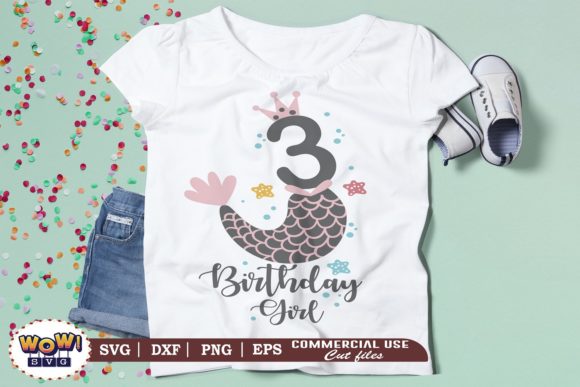
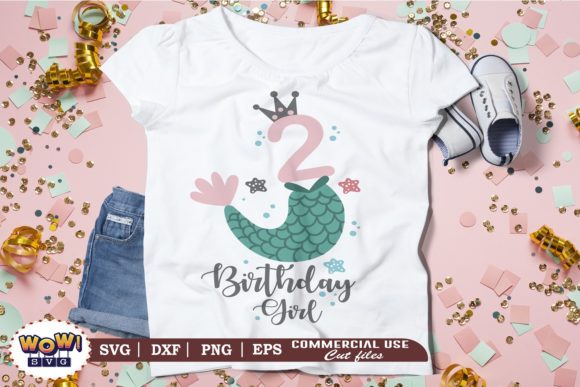
The visual personality of Second Birthday Girl feels celebratory yet grounded. It avoids the overly intricate details that often get lost in smaller hoop sizes or when stitched onto textured fabrics like terry cloth or heavy fleece. The layout appears open enough to allow for proper stitch definition, which is crucial when you are aiming for a professional finished product. In the world of machine embroidery design, clarity is king. If the elements are too crowded, the threads merge, and the design loses its charm after the first wash. This particular graphic seems to offer a silhouette or motif that is bold enough to stand out on a sweatshirt embroidery project or a simple tote bag design without requiring an excessive amount of underlay or complex density adjustments.
The mood it creates is one of joyful milestone marking. It is not just a generic "happy birthday" text; it implies a specific narrative for a two-year-old. This specificity adds value to the handmade product. When a customer sees this on a boutique item, they recognize immediately that this was curated for their child's specific age, enhancing the perceived value of the personalized gift.
Real-World Application: The Sweatshirt Scenario
Let's walk through a realistic scenario. Imagine a client comes to your craft business requesting a custom outfit for their daughter's upcoming party. They want something cozy but festive. You decide to use Second Birthday Girl on a soft, cotton-blend sweatshirt. This is a common request for Etsy sellers and small shop owners during peak birthday seasons.
In this context, the design performs well because it likely offers a solid fill area that covers the fabric grain effectively. When working with custom apparel, especially for children, comfort is paramount. A design that is too dense can feel stiff and scratchy against sensitive skin. Assuming the embroidery file is optimized with appropriate stitch density, this graphic should lay flat and remain flexible. The result is a garment that looks high-end but feels comfortable enough for a day of cake smashing and playing.
Furthermore, this design translates beautifully to other mediums. Picture it as an embroidered patch sewn onto a denim jacket or a canvas backpack. The distinct shapes inherent in Illustrations make them ideal for applique-style applications or satin stitch borders if you choose to modify the file. For an Etsy seller, offering this design on various products—from baby embroidery onesies to decorative pillow covers—expands your inventory without needing entirely new assets.
Navigating Fabric and Hoop Challenges
However, no design is universal without some caution. When deploying Second Birthday Girl, you must consider the substrate. If you are stitching on a dark fabric, you need to ensure your thread colors provide sufficient contrast. A light-colored design on a navy blue hoodie pops, but if the graphic relies on subtle shading, it might disappear on black fabric unless you adjust the color palette.
Textured fabrics present another hurdle. If you are attempting this on a waffle knit or a rough linen tea towel, the fine details of the graphic might get swallowed by the fabric's texture. In these cases, using a heavier cut-away stabilizer is non-negotiable to prevent puckering and ensure the stitches bridge the gaps in the weave. Similarly, stretchy fabrics like jersey knits require careful hooping and potentially a water-soluble topper to keep the stitches from sinking into the pile.
Curved surfaces, such as caps, demand extra attention. If the design is too wide, it may distort when stitched over the front panel of a hat. It is essential to check the dimensions against your available hoop size. While the listing mentions SVG, PNG, EPS, and DXF files perfect for Cricut and cutting machines, embroidery machine users must verify if a corresponding stitch file (like PES, DST, or XXX) is available or if they need to digitize these graphics themselves. If you are using these vector files to create your own digital embroidery file, pay close attention to corner sharpness and small text legibility.
Commercial Viability and Brand Consistency
For commercial embroidery projects, consistency is the backbone of brand trust. If you are selling small shop products featuring Second Birthday Girl, every unit must look identical. This requires rigorous testing. Before listing this as a printable mockup or a physical item in your store, stitch it out on scrap fabric identical to your final product. Check for pull compensation issues where the fabric might gather, distorting the shape of the girl or the number two.
The visual appeal of this design directly impacts buyer engagement. In a saturated market, customers gravitate towards designs that look crisp and intentional. A blurry or poorly stitched graphic signals low quality, whereas a clean execution of Second Birthday Girl signals professionalism. This builds customer trust and encourages repeat business, whether they are buying for a holiday gift or a special occasion.
Practical Notes for the Serious Maker
To ensure the best results with Second Birthday Girl, adhere to these practical steps:
- Test First: Always run a test stitch on scrap fabric of the same weight and type as your final project.
- Check Contrast: Verify that your chosen thread colors stand out against the fabric background, especially for photos and printable mockups.
- Review Density: Inspect the stitch count and density. High density can cause stiffness; low density can show the fabric underneath.
- Stabilizer Selection: Match your stabilizer to the fabric. Knits generally need cut-away, while wovens can often use tear-away.
- Licensing Verification: The product description lists SVG, PNG, EPS, and DXF files. These are primarily vector formats for cutting machines. If you intend to use this for machine embroidery, confirm you have the correct stitch file format or the license to digitize these graphics. Never assume a vector file is ready-to-stitch without proper conversion.
- Scale Appropriately: Ensure the design fits your intended hoop size without losing detail in the corners or tiny elements.
In conclusion, Second Birthday Girl offers a charming and versatile option for creators looking to add a personal touch to their design assets. Whether you are creating a holiday embroidery piece for a family member or stocking your boutique with custom apparel, the key lies in understanding how the graphic interacts with thread and fabric. With the right preparation and attention to detail, this design can elevate a simple piece of cloth into a cherished keepsake.