Happy Island: A Designer's Review for Real Embroidery Projects
As a designer who spends more time at the hoop than away from it, I approach every new machine embroidery design with a mix of curiosity and skepticism. We've all been there: you download a cute graphic, load it onto your machine, and halfway through the stitch-out, you realize the density is too high for that lightweight linen or the details are too fine for the fabric texture you chose. That is why I took a close look at Happy Island before committing it to a client project. This isn't just about whether the image looks good on a screen; it is about how those lines translate into thread, how the stitch density behaves on actual cloth, and whether the final finished product holds up to the scrutiny of a paying customer.
The First Impression: Mood and Visual Personality
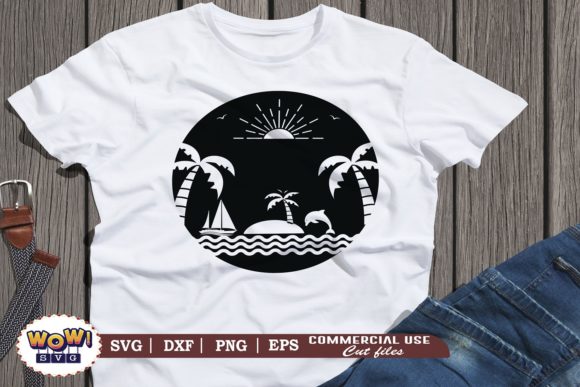
When I first opened the files for Happy Island, the immediate takeaway was its cheerful, relaxed vibe. The title fits perfectly; the shapes suggest a tropical escape, a summer state of mind, or a whimsical getaway. As an Illustrations piece within the broader category of Graphics, it carries a distinct visual personality that feels hand-drawn rather than rigidly geometric. This is crucial for embroidery because organic shapes often stitch out more forgivingly than sharp, perfect vectors, which can sometimes look jagged when rendered in thread.
The layout appears balanced, with a flow that suggests movement without being chaotic. For an embroidery project, this kind of compositional stability is key. It means the design is less likely to pull or distort the fabric unevenly during stitching. Whether you are aiming for a playful baby embroidery item or a trendy piece of custom apparel, the mood here is versatile enough to fit without feeling out of place. It avoids the overly complex detailing that often leads to thread breaks, opting instead for a clarity that reads well even from a distance.
Real-World Application: From Screen to Stitch
To truly test the viability of Happy Island, I envisioned a specific real-life scenario: a custom order for a boutique shop owner needing a run of embroidered tote bags for a summer market. Tote bags are notorious for having a loose weave, which can be tricky for detailed designs. However, the open nature of this illustration suggests it would perform beautifully here. The negative space allows the fabric texture to breathe, preventing that stiff, cardboard-like feel that cheapens a handmade product.
Beyond totes, I can see this design thriving as sweatshirt embroidery. The cozy, casual aesthetic of a island theme pairs naturally with fleece or French terry. When applied to a left-chest placement on a hoodie, Happy Island acts as a subtle brand marker or a personal statement. It also translates well to holiday embroidery projects—think of a "summer vacation" memory pillow or a beach-themed kitchen towel. The versatility extends to commercial embroidery as well; an Etsy seller could easily incorporate this into a line of personalized gifts, knowing that the visual appeal drives buyer engagement.
For those creating printable mockups or digital previews, the included file formats are a significant plus. The listing provides a ZIP folder containing SVG, PNG, EPS, and DXF files. While these are primarily vector and raster formats often associated with cutting machines like Cricut or Silhouette, they are invaluable for the modern embroidery entrepreneur. You can use the SVG or EPS to create high-resolution design assets for your website, social media teasers, or packaging labels, ensuring your branding remains consistent across both physical and digital touchpoints.
Navigating Fabric Challenges and Technical Constraints
While Happy Island shows great promise, a responsible reviewer must address where caution is needed. Not every fabric is a perfect canvas. If you are working with stretchy fabrics like jersey knits for t-shirts, you must be vigilant about your stabilizer choice. Even a design with moderate density can cause puckering if the backing isn't robust enough. I recommend testing on scrap fabric first, specifically checking how the edges of the island shape hold up against the stretch of the material.
Dark fabrics present another consideration. Since this is an illustration-style graphic, ensure you have enough contrast in your thread colors. If the design relies on subtle shading, it might get lost on a navy or black background unless you plan for a light underlay or adjust the color palette manually in your digitizing software. Remember, the files provided are graphics; if you need a native embroidery file (like PES, DST, or XXX) with pre-defined stitch types such as satin stitch, fill stitch, or running stitch, you will need to verify if those are included or if you need to digitize the vector files yourself. The product description lists SVG, PNG, EPS, and DXF, which are excellent for scaling and editing but may require conversion depending on your machine's requirements.
Small hoop sizes also demand attention. If you are attempting to shrink Happy Island down for a cap or a small embroidered patch, inspect the tiny details closely. Fine lines can merge together when reduced too far, turning distinct features into a blob of thread. Always confirm the minimum hoop size recommended for the design to maintain stitching clarity.
Enhancing Brand Value and Customer Trust
In the world of small business, the quality of your small shop product directly influences customer trust. Using a well-considered design like Happy Island signals professionalism. It shows that you care about the aesthetic cohesion of your items. When a customer receives a personalized gift featuring a clean, well-executed design, their perception of your brand's value increases. It transforms a simple item into a keepsake.
Furthermore, the adaptability of this graphic supports brand consistency. Whether you are selling a tote bag design at a craft fair or offering a digital download for other makers, the core imagery remains recognizable. This recognition builds loyalty. Buyers engage more deeply with products that feel thoughtful and intentional, rather than generic clip art slapped onto a blank garment.
Final Verdict and Practical Notes
Before launching into production with Happy Island, here are my top practical notes for fellow designers:
- Test First: Always stitch a sample on the exact fabric you intend to sell. Check for puckering, thread breaks, and registration issues.
- Check Licensing: Confirm the license terms before selling finished items or digital products. Ensure commercial use is permitted for your specific business model.
- Contrast Matters: Preview the design in black and white to ensure the shapes remain distinct without relying on color cues.
- Stabilizer Strategy: Match your stabilizer to the fabric weight. Heavy designs need heavy support; light fabrics need tear-away or cut-away options that won't add bulk.
- File Verification: Double-check the included formats (SVG, PNG, EPS, DXF) against your machine's compatibility. You may need software to convert these vectors into machine-readable stitch files if native embroidery formats are not provided.
In conclusion, Happy Island offers a delightful blend of charm and practicality. It is a design that respects the limitations of the medium while maximizing visual impact. For the craft business owner looking to expand their summer collection or the hobbyist wanting to create a unique holiday embroidery gift, this graphic stands out as a reliable, high-potential asset. With the right preparation and attention to fabric dynamics, it can elevate a standard embroidery project into a standout piece of wearable art.